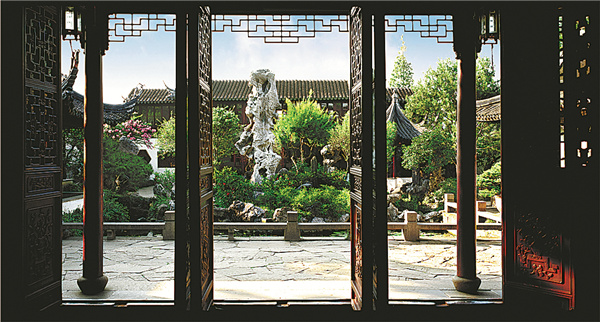
Humble Administrator's Garden
Overview
The Humble Administrator's Garden, known as "Zhuozheng Yuan" in Chinese, is one of the most renowned classical gardens in Suzhou, East China's Jiangsu province. This exquisite garden is celebrated for its harmonious blend of nature and architecture, embodying the essence of classical Chinese garden design. Suzhou, often referred to as the "Venice of the East," is famous for its beautiful gardens, of which the Humble Administrator's Garden is the largest and most famous.
Historical Background
The Humble Administrator's Garden was originally conceived during the Ming Dynasty (1368-1644), specifically in 1509, by Wang Xiancheng, a retired imperial official. The garden's name is derived from a poem by the famous Chinese poet Pan Yue, reflecting the ideal of a tranquil and humble life. Over the centuries, the garden underwent several restorations and expansions, maintaining its original charm while adapting to the evolving tastes of its patrons.
Design and Features
The Humble Administrator's Garden covers an area of about 52,000 square meters, making it the largest garden in Suzhou. It is divided into three sections: the eastern, central, and western parts, each with its unique features and attractions. The garden is renowned for its elegant layout, which includes winding pathways, serene ponds, lush greenery, and exquisite pavilions.
Eastern Section: Known for its open spaces and water features, the eastern part includes the Lotus Pavilion and the Lotus Pond, which bloom with vibrant lotus flowers in the summer.
Central Section: This is the core area of the garden, where visitors can explore the Hall of Distant Fragrance, named for the scent of lotus flowers that pervades the air. It also features a large pond surrounded by various halls and pavilions, creating a dynamic yet harmonious landscape.
Western Section: The western part is more secluded and intimate, characterized by tranquil rockeries and winding streams. It offers a quieter experience with a focus on natural beauty and tranquility.
Cultural Significance
The Humble Administrator's Garden, along with eight other classical gardens in Suzhou, was inscribed on the UNESCO World Heritage List. This recognition highlights the garden's importance as a masterpiece of Chinese landscape gardening and its influence on garden design throughout China and beyond. The garden exemplifies the traditional Chinese ideal of harmony between humans and nature, emphasized through its meticulous design and integration of natural elements.
Influence and Legacy
The garden is not only a reflection of Suzhou's rich cultural heritage but also a source of inspiration for garden designers worldwide. The publication of The Craft of Gardens or Yuanye in 1634, the first Chinese treatise on garden design, drew heavily from the principles embodied in the Humble Administrator's Garden. This text has influenced garden design practices in China, Japan, and other countries.
Modern Experience
Today, the Humble Administrator's Garden continues to attract visitors from around the world. It offers a glimpse into the past while providing a narrative for the future, as contemporary projects aim to integrate the aesthetic principles of classical gardens into modern urban planning and cultural projects. The garden hosts various cultural activities, including traditional Kunqu Opera performances and exhibitions, allowing visitors to experience the cultural richness of Suzhou. Article reference1. Captivating colors of Humble Administrator's Garden in Suzhou. chinaservicesinfo.com. 2023Photo Gallery(7 pictures)CategoriesCultural HeritageTagWorld HeritageCity TourismWorld Heritage in ChinaRelatedChinese Classical GardensThe Canglang PavilionSuzhou GardensClassical Gardens of SuzhouCatalogue1. Overview2. Historical Background3. Design and Features4. Cultural Significance5. Influence and Legacy6. Modern Experience- - - []








